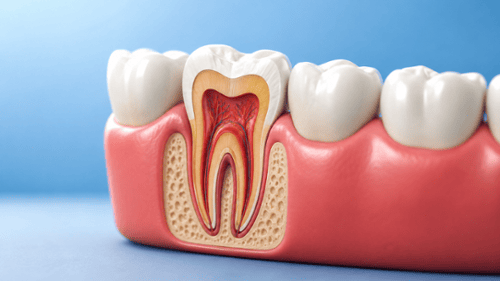
A toothache can be caused by several different dental problems, and not every toothache means you need a root canal. However, certain symptoms can indicate that the soft tissue inside your tooth, known as the dental pulp, is inflamed, infected, or damaged.
Recognizing these warning signs early can help you get dental treatment before the problem becomes more serious. In some cases, root canal treatment can remove the infection while allowing you to keep your natural tooth.
Here are seven signs that may indicate you need to have a tooth examined for possible root canal treatment.
What Is a Root Canal?
A root canal is a dental procedure used to treat a tooth when the pulp inside it becomes infected or severely damaged. The pulp contains nerves and blood vessels and is located in the centre of the tooth.
When bacteria reach the pulp because of deep decay, a crack, trauma, or another dental problem, the tissue can become inflamed or infected. During root canal treatment, the damaged pulp is removed, the inside of the tooth is cleaned and disinfected, and the tooth is sealed.
Depending on the condition of the tooth, a crown or another restoration may also be recommended to protect it and restore its function.
1. Persistent or Severe Tooth Pain
Persistent tooth pain is one of the most common reasons people seek dental care.
You may experience:
- A constant toothache
- Throbbing or intense pain
- Pain that becomes worse when lying down
- Pain that makes it difficult to eat
- Pain that continues for several days
Tooth pain can have many causes, including cavities, cracked teeth, gum problems, or an infection. A dentist can determine whether the pulp inside the tooth is involved.
If your tooth pain does not go away, it is better to have it examined rather than waiting for it to become worse.
2. Lingering Sensitivity to Hot or Cold
Many people experience occasional sensitivity when eating ice cream or drinking a hot beverage. Brief sensitivity does not necessarily mean that a root canal is needed.
The concern is when sensitivity is strong or lingers after the hot or cold food or drink has been removed.
For example, you might notice:
- Sharp pain from cold drinks
- Pain from hot foods
- Sensitivity that continues after eating
- Increasing sensitivity in one particular tooth
Lingering temperature sensitivity can be associated with inflammation or damage to the pulp and should be evaluated by a dentist.
3. Pain When Biting or Chewing
Does one tooth hurt whenever you bite down?
Pain while chewing can be a warning sign of a problem inside the tooth. It may occur when the tissues surrounding the root are inflamed, or it can be associated with a cracked or damaged tooth.
You might notice discomfort when eating harder foods or when putting pressure on a specific tooth.
Because several dental conditions can cause pain when biting, a dental examination is important to identify the underlying cause.
4. Swollen or Tender Gums
An infection involving a tooth can sometimes affect the surrounding gum tissue.
You may notice:
- Swelling around a particular tooth
- Tender or painful gums
- Redness near the affected tooth
- A small bump or pimple-like area on the gums
- Swelling around the jaw
A dental infection should not be ignored. If swelling is accompanied by significant pain, fever, facial swelling, or difficulty swallowing or breathing, seek urgent medical or dental care.
5. A Dark or Discoloured Tooth
A tooth that becomes noticeably darker than the surrounding teeth may indicate that the pulp inside the tooth has been damaged.
Discoloration can occur following dental trauma, but it can also have other causes. For this reason, a discoloured tooth does not automatically mean you need a root canal.
If you notice an unexplained change in the colour of one tooth, schedule a dental examination so the cause can be determined.
6. A Cracked, Chipped, or Injured Tooth
A damaged tooth can sometimes allow bacteria to reach the inner pulp.
A tooth may become damaged because of:
- An accident or sports injury
- Biting down on something hard
- Teeth grinding or clenching
- Significant tooth decay
- Normal wear over time
Not every chipped or cracked tooth requires a root canal. However, if the damage extends toward the pulp, root canal treatment may be recommended to help preserve the tooth.
If you have recently injured a tooth, having it examined promptly can help identify problems that may not be immediately obvious.
7. Deep Tooth Decay
A small cavity may often be treated with a filling. However, when tooth decay progresses deep into the tooth, bacteria can eventually reach the pulp.
Deep decay may cause:
- Increasing tooth sensitivity
- Persistent pain
- Pain when chewing
- Swelling
- A visible hole or damaged area in the tooth
In some cases, deep decay may not cause significant symptoms at first. Regular dental examinations can help identify cavities before they progress to more complicated problems.
Does a Root Canal Mean the Tooth Has to Be Removed?
No. One of the main purposes of root canal treatment is to save an infected or damaged natural tooth when possible.
Removing the infected pulp and sealing the tooth allows the natural tooth structure to remain in place. After treatment, the tooth may require a dental crown or another restoration depending on how much of the tooth has been affected.
Your dentist can assess the tooth and explain whether root canal treatment, another restoration, or extraction is appropriate.
What Happens During a Root Canal?
If your dentist determines that root canal treatment is necessary, the procedure generally involves several steps.
First, the tooth is carefully examined and the area is numbed. The dentist then accesses the inside of the tooth and removes the infected or damaged pulp.
The root canals are cleaned and disinfected before being filled and sealed. A final restoration may then be placed to protect the tooth and restore its normal function.
Modern dental techniques and local anesthesia are designed to make treatment as comfortable as possible.
Can a Tooth Infection Go Away on Its Own?
A dental infection generally requires professional treatment. Even if tooth pain temporarily disappears, that does not necessarily mean the underlying problem has been resolved.
In some situations, the nerve inside a severely damaged tooth can stop functioning, causing the pain to decrease. However, infection can still remain around the tooth.
For this reason, it is important not to assume that a tooth is healthy simply because the pain has stopped.
When Should You See a Dentist?
You should consider scheduling a dental appointment if you experience persistent tooth pain, lingering sensitivity, pain when chewing, swelling, unexplained discoloration, or a cracked or damaged tooth.
Early assessment can help determine what is causing the symptoms and what treatment options are available.
If you experience facial swelling, difficulty breathing or swallowing, or other signs of a serious infection, seek urgent medical attention.
Protect Your Natural Teeth With Timely Dental Care
A root canal may sound intimidating, but the purpose of the treatment is often to remove infection or damaged tissue while preserving your natural tooth.
The symptoms of a damaged or infected tooth can vary from person to person. Some people experience significant pain, while others may have relatively few symptoms. That is why regular dental examinations are an important part of maintaining good oral health.
If you are experiencing tooth pain, prolonged sensitivity, swelling, or another concerning dental symptom, Orchards Dental can assess your tooth and help determine the appropriate next step for your oral health.
Frequently Asked Questions
How do I know if I need a root canal?
Persistent tooth pain, lingering hot or cold sensitivity, pain when biting, swelling, tooth discoloration, significant damage, and deep decay can all be signs that a tooth needs further evaluation. Only a dental examination can determine whether a root canal is necessary.
Is a root canal painful?
The tooth and surrounding area are typically numbed with local anesthesia during treatment. Your dentist can also discuss ways to keep you comfortable throughout the procedure.
Can a dentist tell if I need a root canal?
Yes. A dentist can examine the tooth, evaluate your symptoms, and use dental X-rays or other diagnostic tests when necessary to determine the condition of the tooth.
What happens if I delay a root canal?
If an infected or severely damaged tooth is left untreated, the problem can potentially progress and affect the tissues surrounding the tooth. Prompt dental assessment can help determine the appropriate treatment before the condition becomes more complicated.
Can a root canal save my natural tooth?
In many cases, root canal treatment is used to preserve a natural tooth that would otherwise require extraction. Your dentist will determine whether the tooth can be successfully treated based on its condition.